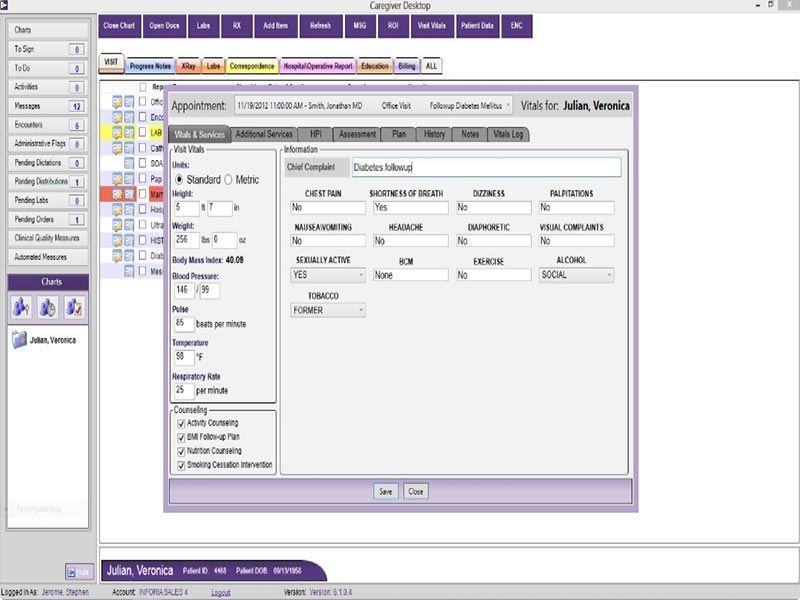
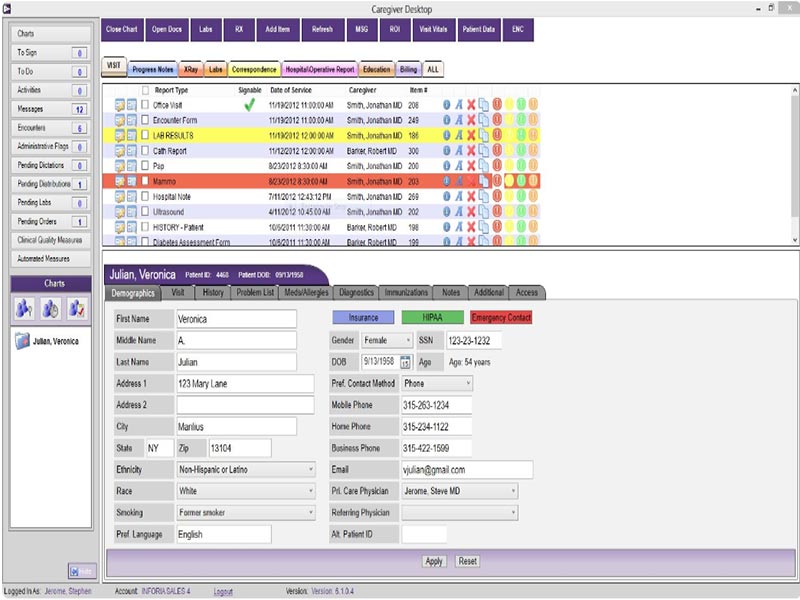
CaregiverDesktop EHR is an all-in-one integrated EHR platform that provides business features for electronic patient records, scheduling, billing, prescriptions, and clinical documentation. The software replaces paper charts with centralized electronic records, digitizing patient information.
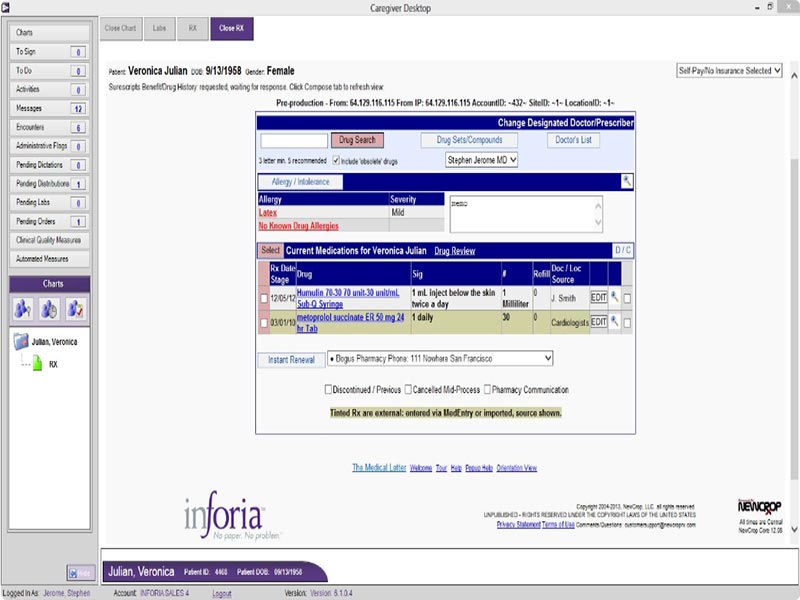
An EHR system is a digital collection of patient health information that allows providers to access records, medications, diagnoses, treatment plans, and lab results all in one place.
This is made possible in CaregiverDesktop with workflows, customizable forms, and charting that are built right into the system. Internal messaging lets providers communicate, document encounters, and assign diagnosis codes; this gives them access to task management.
CaregiverDesktop supports integration with different practice management systems and hospital interfaces to keep patient information connected across care environments.
Caregiver Desktop Pricing
The pricing of CaregiverDesktop EHR not only provides a basic structure but also determines its cost based on the size and operational needs of a medical practice. Standard subscription costs are not published by the vendor. Pricing is custom; practices must request a quote that considers workflows, the number of providers, and implementation requirements.
Pricing also does not remain publicly available; hence, it would be advisable for the healthcare organizations evaluating the best EHR software solutions to request a CaregiverDesktop demo or live consultation so as to know more about deployment costs, support, and what all comes in a module before buying.
Who uses CaregiverDesktop software?
CaregiverDesktop EHR is designed for small-sized healthcare practices and specialty clinics that require centralized patient documentation and operational management tools. People use the platform mainly for:
- Behavioral health providers
- Dermatology clinics
- Cardiology practices
- Neurology centers
- OB/GYN providers
- Orthopedic practices
CaregiverDesktop has tools that allow documentation and patient management for these tasks.
The interface supports scheduling, patient records, billing, and internal communication for healthcare administrators, physicians, billing teams, nurses, and front-office staff.
CaregiverDesktop Integrations
The vendor has not disclosed a complete list of its third-party integrations. In contrast, CaregiverDesktop relates to existing practice management software and connects with hospital systems for data interchange and operational continuity.
Additional medical billing and scheduling applications are included in the overall package. This structure ensures practices can minimize redundant data entry and better coordinate workflows across departments.
How Does CaregiverDesktop EHR Work?
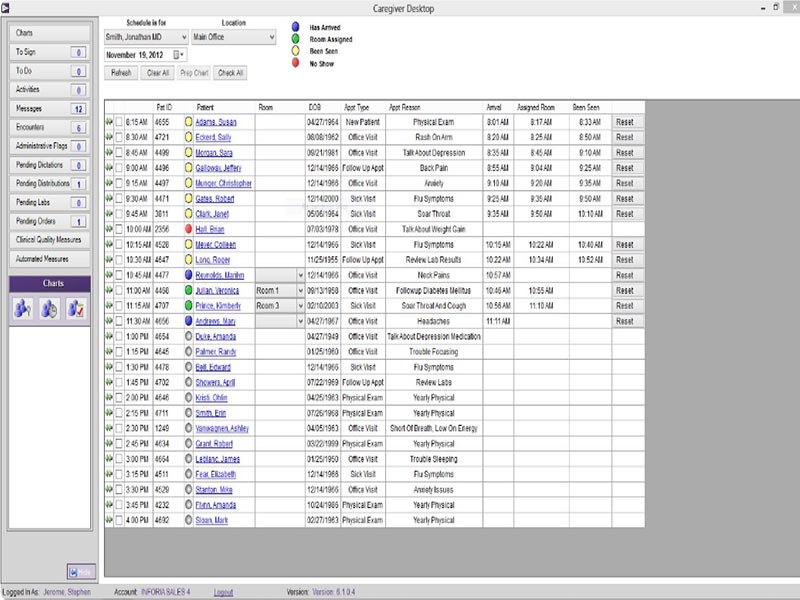
- Log in to the system; providers can establish or look up patient files with information regarding medical history, medicines, diagnoses, and records of treatment. The dashboard categorizes and centralizes all clinical and administrative tasks into a workspace that helps manage day-to-day healthcare activities.
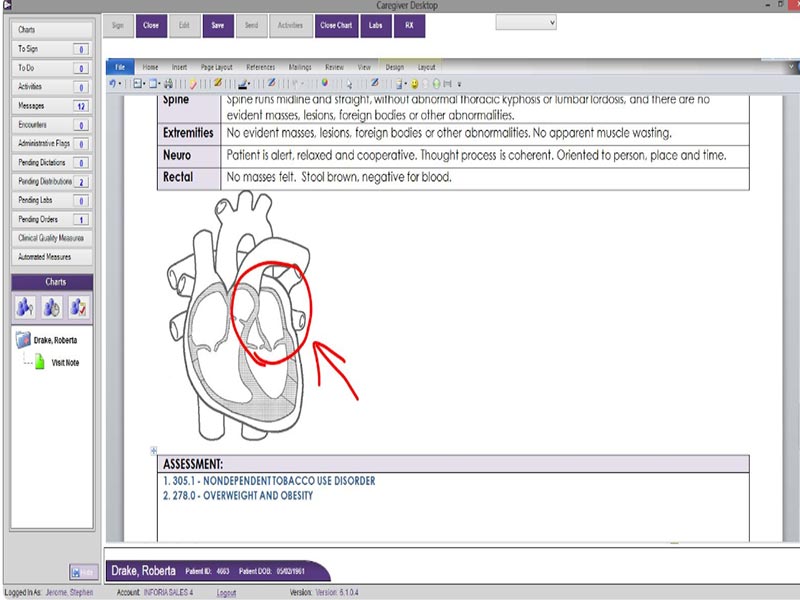
- Physicians can document charting notes, treatment plans, diagnoses, and progress notes within this electronic medical record-based charting system. Additionally, the software auto-populates digital forms into patient charts and guides providers to specific diagnosis codes as they document clinical care.
- It also aids in the conversion of processes that are still done on paper records to electronic health documentation systems.
- The scheduling module aids practices in setting up appointments, provider availability, patient reminders, and workflow activities. Teams can categorize tasks, monitor preauthorizations, and automate day-to-day administrative tasks.
- In this way, workflow automation minimizes manual coordination and enables practices to oversee daily operations more effortlessly.
- Caregiver Desktop comes with billing tools that help you manage claims and administrative offices.