

Overview
RPM Healthcare simplifies remote patient monitoring (RPM) by combining data tracking, telemedicine, and patient engagement tools in one platform. It delivers real-time health insights that help providers improve patient outcomes and manage chronic conditions more effectively. While occasional device connectivity issues may occur, the platform’s continuous monitoring capabilities support early intervention and better long-term care delivery.
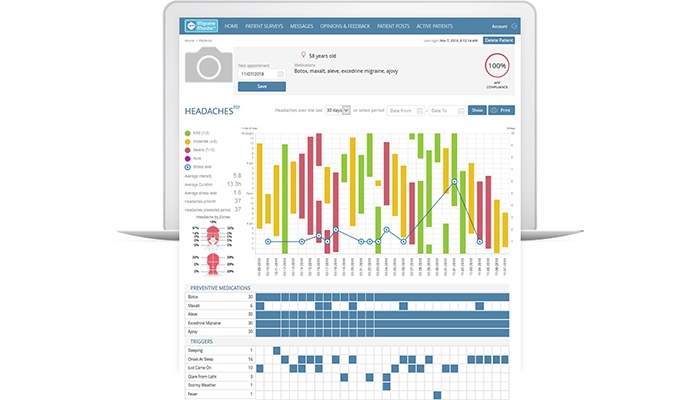
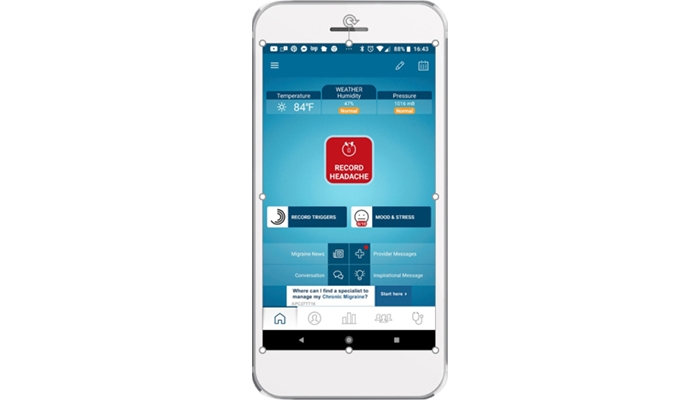
RPM Healthcare Software Specifications
Appointment Management / Scheduling
Patient Portal
Mobile App Support
Telemedicine
What is RPM Healthcare?
RPM Healthcare is a cloud-based remote patient monitoring and digital health platform that allows providers to track patient health data outside clinical settings using connected devices and mobile apps.
It supports chronic disease management, virtual care delivery, and home-based monitoring, helping clinicians make faster and more accurate care decisions.
Remote patient monitoring enables healthcare providers to track patient health data in real time using wearable or at-home devices.
It improves:
- Early detection of health issues
- Chronic disease management
- Patient engagement and self-care
- Clinical decision-making based on continuous data
RPM also supports virtual care models and can reduce unnecessary hospital visits.
RPM Healthcare is a cloud-based RPM solution designed to streamline patient monitoring, data collection, and care coordination. It improves clinical efficiency and patient engagement by enabling continuous communication and real-time health tracking.
What RPM Healthcare is Best For?
RPM Healthcare (RPM 365) is best known for its patient messaging and engagement system, helping providers:
- Improve patient communication
- Increase treatment adherence
- Strengthen chronic care management
- Enhance patient satisfaction
RPM Healthcare Pricing
- Patient Onboarding (CPT 99453): $20
- Monthly Data Transmission (CPT 99454): $48
- Monthly Monitoring (CPT 99457): $50
- Monthly Monitoring (CPT 99458): $40
- Monthly Monitoring (CPT 99091): $54
Pricing may vary depending on organization size and requirements.
Who uses RPM Healthcare software?
- Individual practices
- Group practices
- Behavioral health providers
- Population health programs
- Accountable Care Organizations (ACOs)
RPM Healthcare Integrations
- Epic
- athenahealth
How does RPM Healthcare work?
- Log in to the dashboard
- Access patient monitoring data and trends
- Send personalized patient messages
- Assign and track clinical tasks
- Schedule appointments
- Generate reports and analytics
- Access help and training resources
Choose RPM Healthcare for Remote Patient Monitoring, Telemedicine, and Real-Time Patient Engagement
RPM Healthcare is a strong fit for healthcare organizations that need scalable remote monitoring, better patient engagement, and improved chronic disease management through real-time data and telemedicine tools.
RPM Healthcare Features
Enables virtual consultations to improve access to care and reduce in-person visits.
Simplifies onboarding and ensures accurate patient record management.
Allows remote tracking and management of connected medical devices.
Continuously tracks patient health data to support early intervention and reduce hospital readmissions.
See The Software In Action Watch Free Demo!
Top Recommended Software





Pros and Cons of RPM Software
RPM Healthcare Reviews
Frequently Asked Questions
RPM software enables providers to remotely monitor patient health data for chronic condition management using connected devices.
Real-time monitoring, wearable device integration, secure data transfer, alerts, and compliance with healthcare regulations.
Focus on data accuracy, ease of use, integration with EHR systems, and strong customer support.
Billing is based on Medicare RPM CPT codes like 99453, 99454, 99457, and 99458, usually requiring monthly monitored time.
RPM software must comply with HIPAA privacy rules and FDA standards for connected medical devices