
Overview
Ottehr is a modern electronic health record EHR software built for speed, flexibility, and scalability. It uses a modern tech stack with React and Node.js and follows a FHIR-native architecture, which allows smooth data exchange across healthcare systems. You get an open-source EHR platform with no licensing fees. That makes it a strong choice for digital health startups and providers who want control over their system without high upfront costs. Ottehr focuses on reducing administrative work. It uses AI-powered charting, automated intake, and built-in workflows to help you see more patients in less time. Many users value its ability to modify code and adapt workflows, though some report limited customization in certain areas. If you need scalable and secureEHR/EMR software that supports fast growth, Ottehr is worth considering.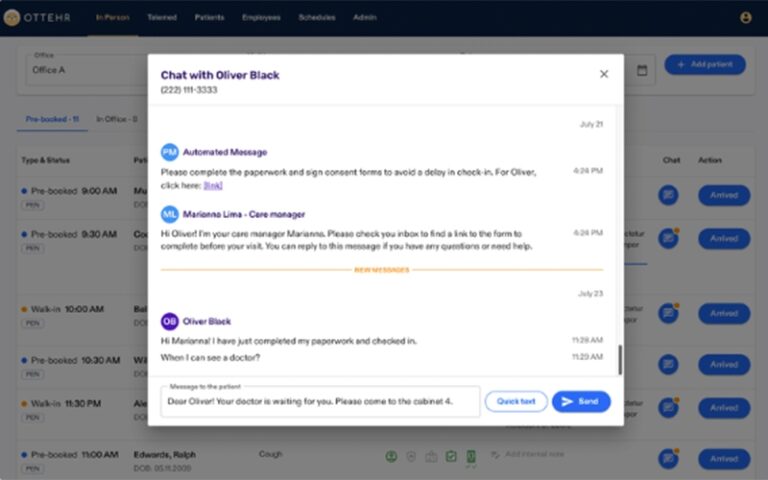
Ottehr Software Specifications
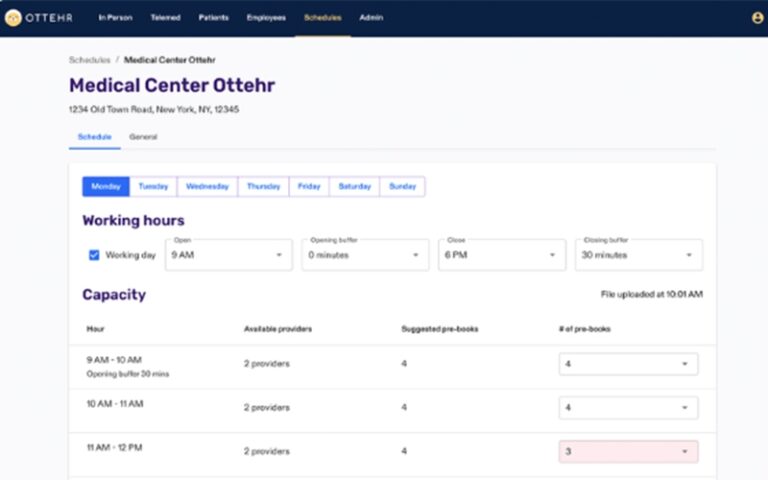
Appointment scheduling and calendar management
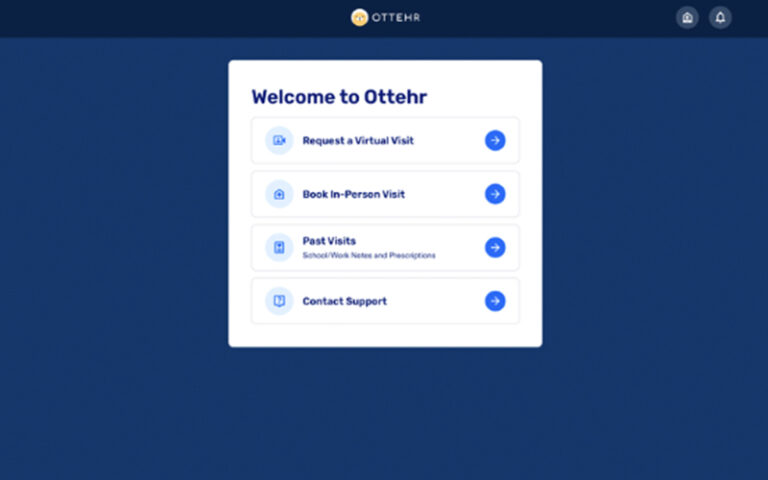
Patient intake and registration tools
ePrescriptions (eRx) support
Patient portal access
What is Ottehr?
Ottehr is a software for EHR that supports urgent care and on-demand healthcare environments. It combines clinical workflows with automation tools to simplify patient visits from start to finish.
The system includes:
- Ambient AI scribing
- Automated patient intake
- Coding automation
- Clinical documentation tools
This reduces clicks, improves workflow speed, and increases patient throughput.
Unlike traditional EHR software, Ottehr focuses on automation and interoperability. Its FHIR-native architecture ensures that patient data moves easily between systems without manual effort.
Because it is open-source, you can customize workflows, build integrations, and scale operations without vendor lock-in. This makes it ideal for teams working on EHR software development or custom healthcare platforms.
Ottehr Pricing
Ottehr offers a simple pricing model.
The core platform is free because it is an open-source EHR platform. You can access and use it without licensing costs.
However, costs may apply when you use backend services provided by OystEHR. These depend on your usage, integrations, and infrastructure needs.
This model works well for digital health startups that want to control costs while building scalable systems.
Who uses Ottehr ?
Ottehr supports a wide range of healthcare providers.
You can use it if you run:
- Digital health platforms
- Ambulatory care centers
- Hospitals and health systems
- Urgent care clinics
- Government healthcare programs
- Pediatric clinics
- Physical therapy practices
It also works for teams building EHR software for mental health or specialized care environments.
Ottehr Integrations
The vendor has not listed specific third-party integrations.
However, Ottehr is built on a FHIR-native architecture, which means it is ready to connect with other healthcare systems. You can integrate labs, billing tools, and external apps using FHIR-based APIs.
This flexibility is important if you are working on EHR software development or need custom integrations.
How Does Ottehr Work?
- Log in using your Oystehr account
- Access your dashboard and system controls
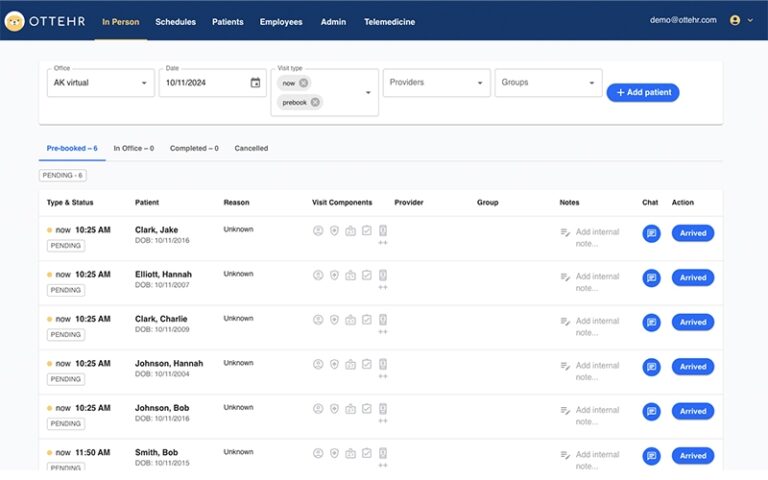
- Register new patients or find existing records
- Manage patient intake and registration
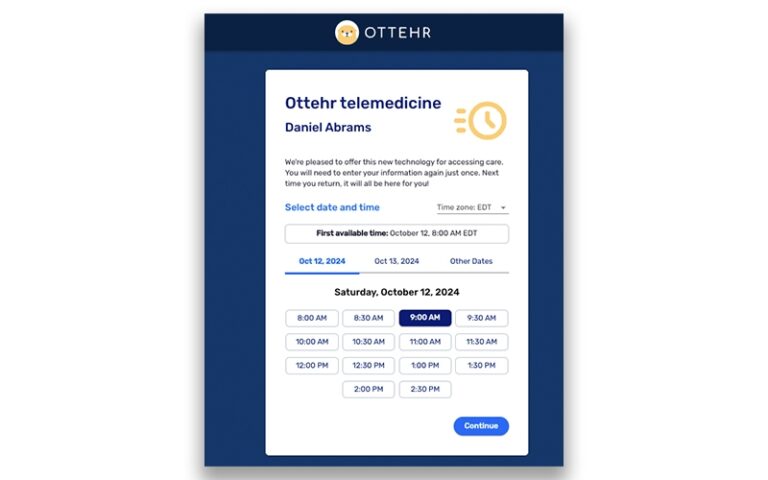
- Schedule appointments or telehealth visits
- Use AI-powered charting for clinical notes
- Send prescriptions using ePrescriptions (eRx)
- Run lab integrations and diagnostics
- Communicate with patients through messaging tools
- Review billing and export data through FHIR APIs
This workflow reduces manual work and helps you manage patient care more efficiently.
Choose Ottehr for Modern Open Source EHR Software and AI-Powered Charting
Choose Ottehr if you need:
- A flexible EHR/EMR software with no licensing fees
- A scalable and secure platform for growing healthcare operations
- Strong interoperability through FHIR-native architecture
- Built-in telehealth and remote monitoring tools
- Custom workflows through community-driven development
- A system built on a reliable modern tech stack
It works best for providers who want control, flexibility, and long-term scalability without relying on rigid systems.
Ottehr software Features
Ottehr uses AI-powered charting to reduce documentation time. The system captures clinical notes automatically and organizes them into structured records. This improves accuracy and reduces manual data entry.
The platform supports flexible patient intake and registration workflows. Patients can book appointments, complete forms, and access records through the portal. Clinics can adjust scheduling rules based on provider availability.
With built-in ePrescriptions (eRx), you can manage medications efficiently. The system checks for drug interactions, tracks patient history, and suggests alternatives when needed.
Ottehr helps you manage waiting rooms using smart queuing. You can organize patients by priority and track their progress in real time. This improves efficiency and reduces delays.
The platform supports telehealth and remote monitoring, allowing you to provide care beyond the clinic. You can conduct virtual visits and track patient health data remotely.
See The Software In Action Watch Free Demo!
Top Recommended Software






Pros and Cons of Ottehr
Ottehr Reviews
You save money but need IT support.
Pros
Custom workflows
Cons
Requires maintenance
Promising but Needs Maturity
Pros
Innovative and flexible
Cons
Stability issues
As a developer, I love how easy it is to modify.
Pros
Code-level customization
Cons
Limited documentation
Frequently Asked Questions
Ottehr is used as electronic health record ehr software to manage patient data, automate workflows, and support clinical operations.
Yes. Ottehr is an open-source EHR platform, so you can use it without licensing fees. Additional services may cost extra.
Yes. It includes built-in telehealth and remote monitoring tools for virtual care and patient tracking.
Yes. Its FHIR-native architecture allows integration with other healthcare platforms using APIs.
It is ideal for digital health startups, clinics, and organizations that need flexible and scalable ehr software.